
"Peru coffee origin"
900 article(s) found

What are boutique coffee beans, coffee beans?
Costa Rica's main agriculture is coffee, its seed value is all washed Arabica beans, high-quality processing level, is crowned coffee production junior high school in Switzerland. It is characterized by its high quality and strong sour taste. Guatemala < Guatemala > Guatemalan coffee is rated by many coffee experts as one of the best coffee in the world, with fine acidity and unique taste, perfect.

Peruvian coffee bean brand APROCASSI Peruvian coffee? is Peruvian black coffee good?
Professional coffee knowledge exchange more coffee bean information please follow the coffee workshop (Wechat official account cafe_style) Peru APROCASSI although we have been closely watching their work for some time, 2019 marks the first time that Atlas has a relationship with APROCASSI (Asociacion de Productores Cafetaleros Solidarios de San Ignacio)

Introduction to the main Coffee producing areas in the World
Coffee comes from coffee beans, which are harvested and processed from the fruit of trees. Coffee trees grow at the center of the equator, between latitudes of 25 degrees south and north, and are called the homes of tropical or subtropical countries called coffee belts. At present, there are about 60 coffee-producing countries. Coffee is produced in South America, Central America, the West Indies, Asia, Africa, Arabia, the South Pacific and

An introduction to the characteristics of Peruvian organic coffee with elegant and mild sour taste
Peruvian coffee is grown in a planned way, which has greatly increased coffee production. Its rich acidity and mellow smoothness are its most prominent features. Peruvian coffee has a soft sour taste, medium texture, good taste and aroma, and is an indispensable ingredient in the production of comprehensive coffee. Peruvian coffee of outstanding quality, with strong aroma, smooth, layered and rich sweet taste.

The main coffee producing area of South America is the new king of the best boutique coffee in Panama.
Professional coffee knowledge exchange more coffee bean information please follow the coffee workshop (Wechat official account cafe_style) front street-Panama Rose Summer Coffee introduction to South America: 1. Brazil Brazil 2, Colombia Colombia 3, Ecuador Ecuador 4, Peru Peru Rose Summer (Geisha) species were found in the rose forest of Ethiopia in 1931 and then sent to

Bolivian coffee with a slightly bitter taste Description Grind Taste Fine Coffee Introduction
In 1863, a rich deposit of saltpeter was discovered in Atacama province on the Pacific coast. In 1879 Chile sent troops to occupy Kuangqu, Bolivia and Peru united, and Chile fought the Pacific War. Bolivia lost its defeat in 1883, ceded the Pacific coast rich in saltpeter to Chile in 1904, and Bolivia lost its only coastal province, including the important port of Antofagasta, from

Description of Peruvian Coffee Farm Coffee Farm flavor characteristics of Peruvian coffee beans
Professional coffee knowledge exchange more coffee bean information Please follow Coffee Workshop (Wechat official account cafe_style) Perla Mayo PERLAMAYO farm originated 10 years ago, it is my father's legacy, the soil is very fertile, thanks to the decomposition of nutrient trees in the area. We knew nothing about model coffee farms before, and we ploughed the land in the way our ancestors did.

High-grade vanilla sweet Bolivian coffee manor flavor taste characteristics of boutique coffee beans
Bolivia was rescued from independence by Bolivar, a national hero from Caracas, Venezuela, during the War of Independence in Latin America in the 18th century, so the country was named after him. On August 6, 1825, independence from Spain was declared, named the Bolivarian Republic, and later changed to its present name. It formed a federation with Peru in 1836 and collapsed as a result of the Chilean invasion in 1839. one hundred and eighty six
Introduction of major coffee producing areas in the world Central and South American coffee beans, African coffee beans, Asian coffee beans
[introduction] Coffee comes from coffee beans, which are harvested and processed from the fruit of trees. Coffee trees grow at the center of the equator, between latitudes of 25 degrees south and north, and are called coffee belts in the homes of tropical or subtropical countries. at present, raw coffee comes from coffee beans, which are harvested and processed from the fruits of the trees. Coffee trees grow at the center of the equator.
Introduction of major coffee producing areas in the world
Coffee comes from coffee beans, which are harvested and processed from the fruit of trees. Coffee trees grow at the center of the equator, between latitudes of 25 degrees south and north, and are called the homes of tropical or subtropical countries called coffee belts. At present, there are about 60 coffee-producing countries. Coffee is produced in South America, Central America, the West Indies, Asia, Africa, Arabia, the South Pacific and
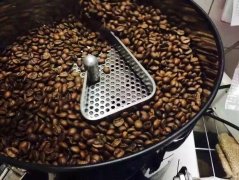
Introduction of major coffee producing areas in the world
Coffee comes from coffee beans, which are harvested and processed from the fruit of trees. Coffee trees grow at the center of the equator, between latitudes of 25 degrees south and north, and are called the homes of tropical or subtropical countries called coffee belts. At present, there are about 60 coffee-producing countries. Coffee is produced in South America, Central America, the West Indies, Asia, Africa, Arabia, the South Pacific and

The main coffee producing areas in the world introduce the types of fine coffee beans.
Coffee comes from coffee beans, which are harvested and processed from the fruit of trees. Coffee trees grow at the center of the equator, between latitudes of 25 degrees south and north, and are called the homes of tropical or subtropical countries called coffee belts. At present, there are about 60 coffee-producing countries. Coffee is produced in South America, Central America, the West Indies, Asia, Africa, Arabia, the South Pacific and
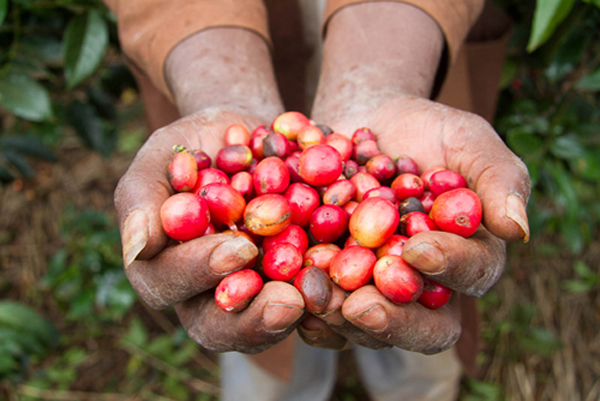
The most detailed introduction to coffee beans in the world. Coffee beginners must see the knowledge points
Coffee comes from coffee beans, which in turn are harvested and processed from the fruits of trees. Coffee trees grow at the equator as the center, between 25 degrees north and south latitude, known as the coffee belt tropical or subtropical countries home, coffee production countries currently have about more than 60 countries, coffee production in South America, Central America, West Indies, Asia, Africa, Arabia, South Pacific and
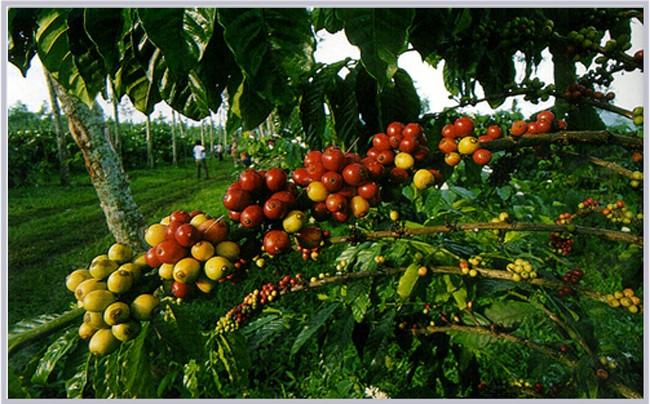
Coffee Estate Knowledge Points: Collection and classification of world boutique coffee estates in detail
Coffee comes from coffee beans, which are harvested and processed from the fruits of trees. Coffee trees grow at the equator as the center, between 25 degrees north and south latitude, known as the coffee belt in tropical or subtropical countries home, coffee beans are currently. Coffee comes from coffee beans, which in turn are harvested and processed from the fruits of trees. Coffee trees grow at the equator.

Unknown Coffee Origin Ecuador explores the traditional Ecuadorian Coffee Variety Iron pickup
For the exchange of professional baristas, please follow the Coffee Workshop (Wechat official account cafe_style) this batch is a cooperative organization of raw bean producers of fine coffee in the area bordering Peru in southern Ecuador, which is part of a larger alliance of coffee producers. The association has excellent coordination and leadership, which helps them to position themselves as the top Ecuadorian coffee.

A brief introduction to the Origin, Development, History and Culture of Fine Coffee beans in Hope Manor with High balance
The unique geographical environment makes Colombian coffee Colombia, with beautiful mountains and rivers, beautiful scenery, pleasant climate, spring all year round, fresh air and refreshing air. Colombia's mild climate, humid air, and diverse climate make it a harvest season all year round, with different kinds of coffee ripening at different times. They grow Arabica coffee beans of unique quality.

The preferred source of coffee beans in Latin America A brief introduction to Breakfast Coffee beans
Starbucks preferred source of coffee beans Historical theme introduction each Latin American mixed coffee is unique and does not include any Latin American single coffee. Sometimes, our mixed coffee may also contain beans purchased from different regions of Mexico, Guatemala and Colombia. In addition, our purchasing staff are also in Costa Rica, El Salvador, Nicaragua and

Introduction to the world's three major coffee producing areas: American coffee estates and detailed explanation of coffee from each producing area
Coffee production in the Americas refers to Central America and South America, and the areas north of Mexico are basically non-producing coffee beans. Coffee production in the Americas is mainly distributed in the Tropic of Cancer to the equator, and several countries in Central America are basically coffee producing countries. Brazil, located in South America, is the world's largest coffee producer. Just like the spread of coffee, it cannot be separated from the era of great navigation.
Boutique Coffee detailed explanation of Fine Coffee (Specialty coffee)
Coffee producing countries have a unique set of criteria for the grading and evaluation of coffee, which can be used as an indicator of international business. In recent years, coffee consuming countries have begun to require the introduction of a new evaluation scale, the concept of boutique coffee. In the past, coffee evaluation scale 1. The quality is highly evaluated by the place of origin 2. The evaluation of quality by sieve is the tacit understanding of the international coffee business market.
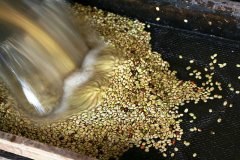
Arabica bean treatment method raw bean treatment semi-washing drying method Peruvian water washing treatment
The semi-washing method first removes the skin with water, and then goes to the sun. This is a relatively new and rare method. This method is only suitable for specific areas of some countries, with a long drying period. The coffee produced by this method is sticky, and the mucus is not removed as it is fermented in the tank. Therefore, the coffee produced by this semi-washing method contains water washing method.